• Advantages of Ion Chromatography Over Traditional Methods

    Ion chromatography offers several advantages compared to classical wet chemistry techniques. Its precision, automation, and sensitivity set it apart.

    Traditional methods often require extensive sample preparation and multiple steps. IC simplifies analysis by combining separation and detection in a single system.

    Automation reduces human error and improves reproducibility. Modern IC systems can analyze multiple ions simultaneously, saving time and resources.

    The technique’s high sensitivity enables trace-level detection, making it suitable for demanding analytical applications.

    These advantages make ion chromatography a preferred choice for modern laboratories.

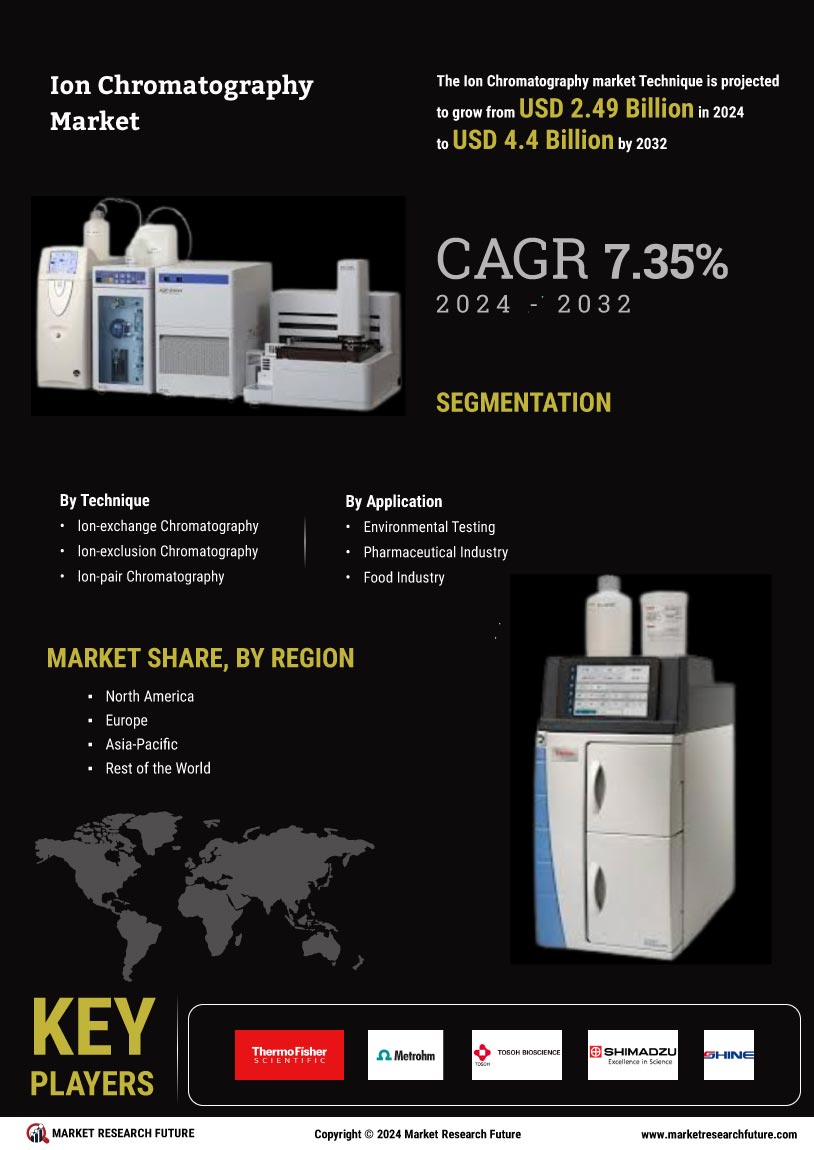
    Reference - https://www.marketresearchfuture.com/reports/ion-chromatography-market-10789
    Advantages of Ion Chromatography Over Traditional Methods Ion chromatography offers several advantages compared to classical wet chemistry techniques. Its precision, automation, and sensitivity set it apart. Traditional methods often require extensive sample preparation and multiple steps. IC simplifies analysis by combining separation and detection in a single system. Automation reduces human error and improves reproducibility. Modern IC systems can analyze multiple ions simultaneously, saving time and resources. The technique’s high sensitivity enables trace-level detection, making it suitable for demanding analytical applications. These advantages make ion chromatography a preferred choice for modern laboratories. Reference - https://www.marketresearchfuture.com/reports/ion-chromatography-market-10789
    Ion Chromatography Market Size, Growth, Trends, Report 2035
    www.marketresearchfuture.com
    Ion Chromatography Market is projected to register a CAGR of 7.35% to reach USD 5.43 billion by the end of 2035, Ion Chromatography Market Type, Application | Ion Chromatography Industry
    0 Comments ·0 Shares ·158 Views ·0 Reviews
  • Mild Cognitive Impairment and Memory Changes

    Memory difficulties are a hallmark of Mild Cognitive Impairment, especially in the amnestic form. Individuals may repeat questions or forget recent events while retaining long-term memories.

    Memory training techniques and cognitive rehabilitation can help strengthen recall abilities. Consistent practice and repetition improve confidence and daily functioning.

    Understanding memory patterns allows for targeted support and realistic expectations.

    Reference - https://www.marketresearchfuture.com/reports/mild-cognitive-impairment-market-10916
    Mild Cognitive Impairment and Memory Changes Memory difficulties are a hallmark of Mild Cognitive Impairment, especially in the amnestic form. Individuals may repeat questions or forget recent events while retaining long-term memories. Memory training techniques and cognitive rehabilitation can help strengthen recall abilities. Consistent practice and repetition improve confidence and daily functioning. Understanding memory patterns allows for targeted support and realistic expectations. Reference - https://www.marketresearchfuture.com/reports/mild-cognitive-impairment-market-10916
    Mild Cognitive Impairment Market Size, Share, Trends 2035
    www.marketresearchfuture.com
    Mild Cognitive Impairment Market is expected to reach USD 3.87 Billion by 2035 at 5.95% CAGR during the forecast period, 2025-2035,
    0 Comments ·0 Shares ·180 Views ·0 Reviews
  • Day vs Night Use of Anti-Acne Dermal Patches

    Anti-acne dermal patches can be worn during the day or overnight, depending on individual needs. Daytime patches are typically thinner and more transparent for discreet wear.

    Nighttime patches often focus on intensive treatment, allowing active ingredients to work uninterrupted while the skin repairs itself during sleep.

    Choosing the right timing maximizes patch effectiveness and comfort.

    Reference - https://www.marketresearchfuture.com/reports/anti-acne-dermal-patch-market-11038
    Day vs Night Use of Anti-Acne Dermal Patches Anti-acne dermal patches can be worn during the day or overnight, depending on individual needs. Daytime patches are typically thinner and more transparent for discreet wear. Nighttime patches often focus on intensive treatment, allowing active ingredients to work uninterrupted while the skin repairs itself during sleep. Choosing the right timing maximizes patch effectiveness and comfort. Reference - https://www.marketresearchfuture.com/reports/anti-acne-dermal-patch-market-11038
    Anti-Acne Dermal Patch Market Size, Share, Trends, 2035
    www.marketresearchfuture.com
    Anti-Acne Dermal Patch Market share is projected to reach USD 1.28 Billion By 2035, at a 7.45 % CAGR by driving industry size, top company analysis, segments research, trends and forecast report 2025 to 2035 | MRFR
    0 Comments ·0 Shares ·172 Views ·0 Reviews
  • Acne Treatment for Sensitive Skin

    Sensitive skin requires extra care when treating acne. Harsh products can lead to redness, dryness, and irritation.

    Low-strength active ingredients, fragrance-free formulations, and targeted treatments help minimize reactions. Gradual introduction of products allows the skin to adapt safely.

    Acne treatment for sensitive skin emphasizes gentleness and consistency.

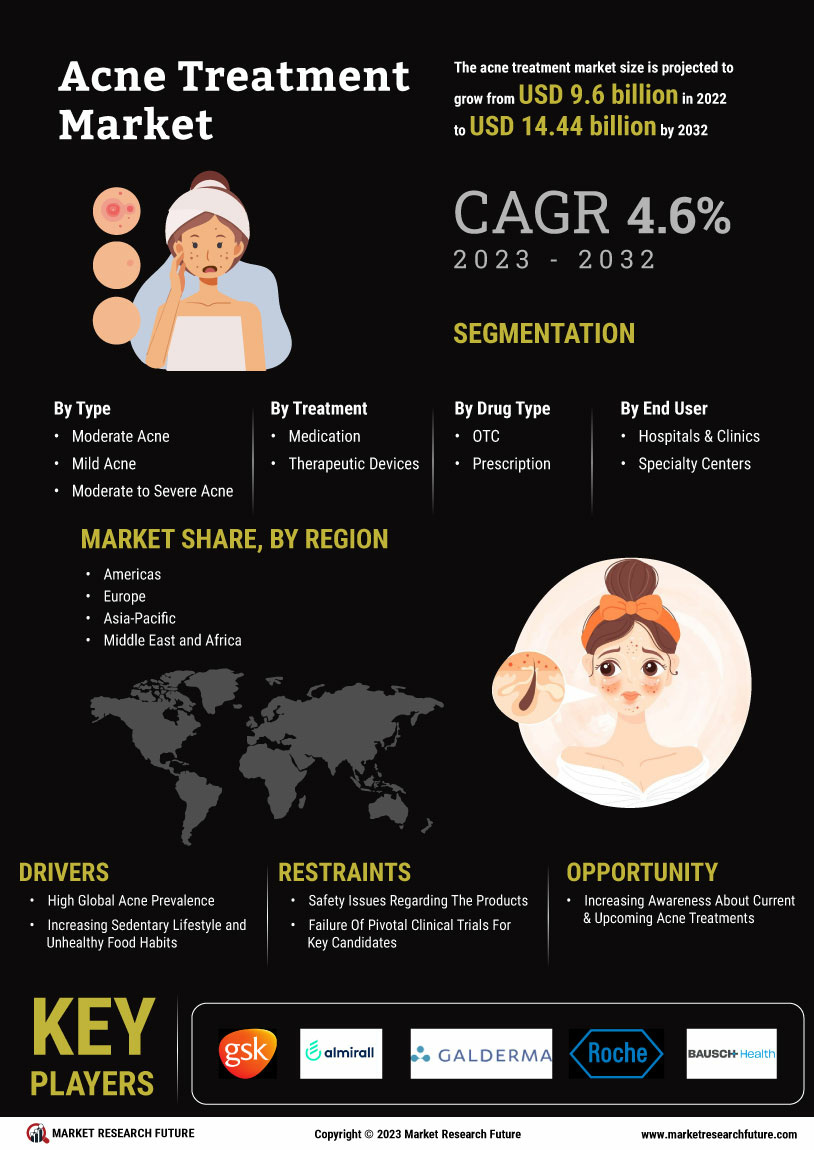
    Reference - https://www.marketresearchfuture.com/reports/acne-treatment-market-5675
    Acne Treatment for Sensitive Skin Sensitive skin requires extra care when treating acne. Harsh products can lead to redness, dryness, and irritation. Low-strength active ingredients, fragrance-free formulations, and targeted treatments help minimize reactions. Gradual introduction of products allows the skin to adapt safely. Acne treatment for sensitive skin emphasizes gentleness and consistency. Reference - https://www.marketresearchfuture.com/reports/acne-treatment-market-5675
    Acne Treatment Market Size, Share, Growth Report 2035
    www.marketresearchfuture.com
    Acne Treatment Market industry is projected to grow from USD 10.40 billion in 2025 to USD 18.21 billion by 2035, With CAGR of 5.30% during 2025 to 2035.
    0 Comments ·0 Shares ·180 Views ·0 Reviews
  • 0 Comments ·0 Shares ·147 Views ·0 Reviews
  • Leveraging Chronic Inflammatory Demyelinating Polyneuropathy Market Data for Clinical Success
    In the age of big data, the ability to collect and analyze real-world evidence (RWE) is becoming a competitive advantage for pharmaceutical companies. By tracking how thousands of patients respond to specific dosages in a non-controlled environment, researchers can refine treatment protocols and identify sub-populations that may require more aggressive therapy. Electronic Health Records (EHR) and patient registries are providing a wealth of information regarding the long-term safety profile of immunoglobulins, which is essential for maintaining regulatory compliance and securing favorable reimbursement terms from insurance providers.

    Utilizing Chronic Inflammatory Demyelinating Polyneuropathy Market Data allows stakeholders to predict supply chain needs with much greater accuracy. Since plasma-based products have long production lead times (often up to 12 months), predictive analytics are vital for preventing stockouts that could endanger patient health. Furthermore, data-driven insights are helping clinicians move toward a "proactive" rather than "reactive" treatment model, where therapy is adjusted based on early physiological markers rather than waiting for physical symptoms to worsen.

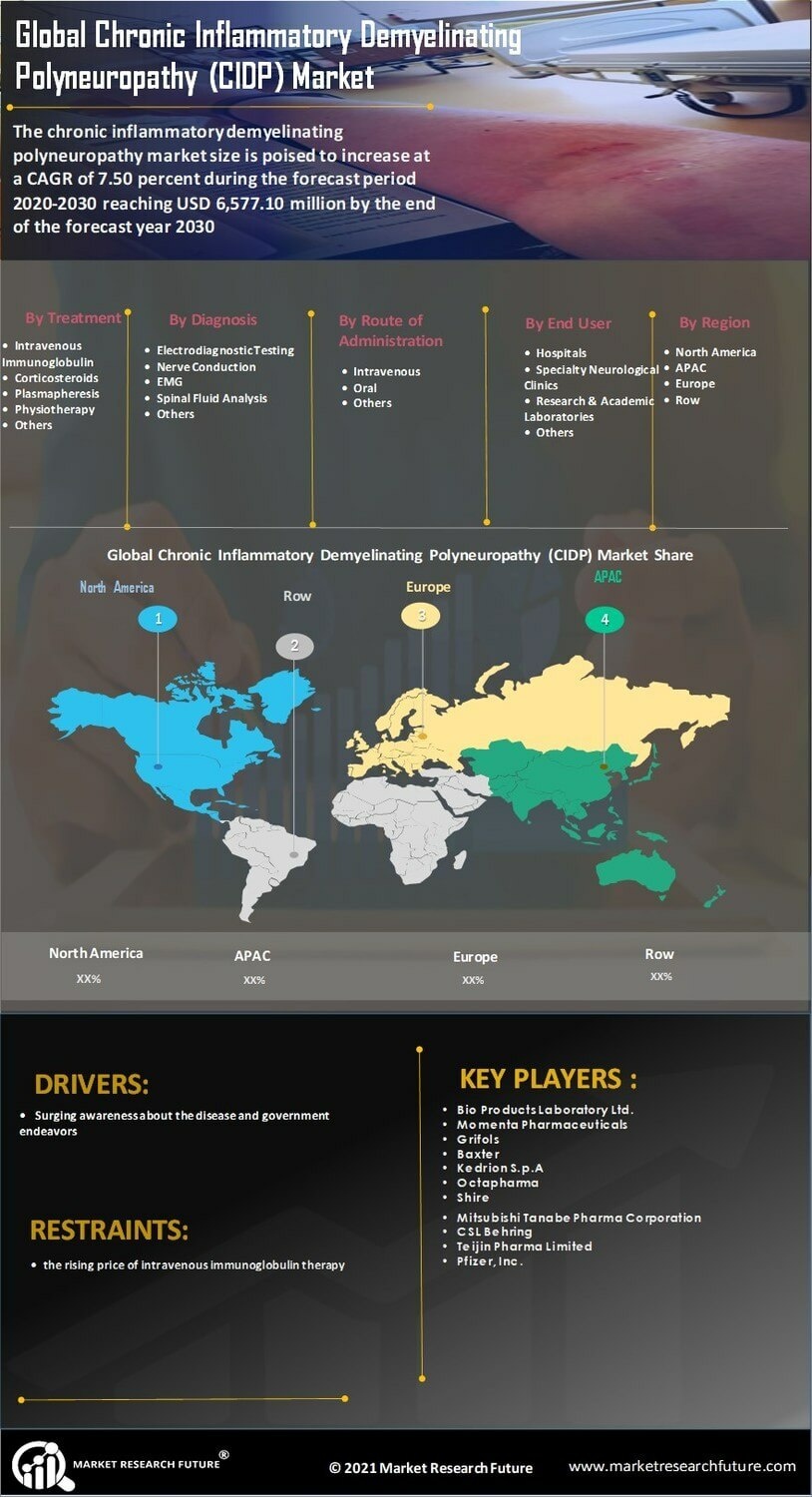
    https://www.marketresearchfuture.com/reports/chronic-inflammatory-demyelinating-polyneuropathy-market-6947


    FAQ: What is "Real-World Evidence" (RWE) in the context of CIDP? Ans: RWE refers to data collected regarding patient health status and the delivery of healthcare outside of traditional highly controlled clinical trials, such as from medical records or insurance claims.
    Leveraging Chronic Inflammatory Demyelinating Polyneuropathy Market Data for Clinical Success In the age of big data, the ability to collect and analyze real-world evidence (RWE) is becoming a competitive advantage for pharmaceutical companies. By tracking how thousands of patients respond to specific dosages in a non-controlled environment, researchers can refine treatment protocols and identify sub-populations that may require more aggressive therapy. Electronic Health Records (EHR) and patient registries are providing a wealth of information regarding the long-term safety profile of immunoglobulins, which is essential for maintaining regulatory compliance and securing favorable reimbursement terms from insurance providers. Utilizing Chronic Inflammatory Demyelinating Polyneuropathy Market Data allows stakeholders to predict supply chain needs with much greater accuracy. Since plasma-based products have long production lead times (often up to 12 months), predictive analytics are vital for preventing stockouts that could endanger patient health. Furthermore, data-driven insights are helping clinicians move toward a "proactive" rather than "reactive" treatment model, where therapy is adjusted based on early physiological markers rather than waiting for physical symptoms to worsen. https://www.marketresearchfuture.com/reports/chronic-inflammatory-demyelinating-polyneuropathy-market-6947 FAQ: What is "Real-World Evidence" (RWE) in the context of CIDP? Ans: RWE refers to data collected regarding patient health status and the delivery of healthcare outside of traditional highly controlled clinical trials, such as from medical records or insurance claims.
    Chronic Inflammatory Demyelinating Polyneuropathy (CIDP) Market - Report 2035
    www.marketresearchfuture.com
    Chronic Inflammatory Demyelinating Polyneuropathy (CIDP) Market Growth is Expected to Reach USD 4.332 Billion by 2035 at 7.3% CAGR. CIDP Industry analysis by major players, size, share, trends, technology and forecast 2025-2035.
    0 Comments ·0 Shares ·210 Views ·0 Reviews
  • Strategic Projections for the Biotechnology Pharmaceutical Services Outsourced Market Projections
    As we look toward the next decade, the outlook for the pharmaceutical services sector remains exceptionally bullish. The Biotechnology Pharmaceutical Services Outsourced Market Projections indicate that the global market value could surpass $180 billion by 2035. This long-term growth is expected to be sustained by the continuous entry of innovative biotech startups that lack in-house manufacturing capabilities. The rise of biosimilars is also projected to be a major revenue driver, as the healthcare industry seeks more affordable alternatives to expensive branded biologics.

    Future growth will likely be concentrated in the Asia-Pacific region, where government incentives and a growing pool of scientific talent are attracting significant foreign investment. Analysts predict that the "hybrid" model of outsourcing—where companies use a mix of full-service partnerships and functional service provision (FSP)—will become the dominant strategy. This flexibility will allow pharmaceutical firms to navigate future global crises or supply chain disruptions with greater resilience. Ultimately, the market is evolving into a deeply integrated global network that prioritizes patient outcomes through collaborative, high-tech innovation.

    FAQ: What is the forecasted size of the market by 2035? Ans: Some industry reports project the market to reach approximately $182.9 billion by 2035, growing at a steady annual rate.
    https://www.marketresearchfuture.com/reports/biotechnology-pharmaceutical-services-outsources-market-12369
    Strategic Projections for the Biotechnology Pharmaceutical Services Outsourced Market Projections As we look toward the next decade, the outlook for the pharmaceutical services sector remains exceptionally bullish. The Biotechnology Pharmaceutical Services Outsourced Market Projections indicate that the global market value could surpass $180 billion by 2035. This long-term growth is expected to be sustained by the continuous entry of innovative biotech startups that lack in-house manufacturing capabilities. The rise of biosimilars is also projected to be a major revenue driver, as the healthcare industry seeks more affordable alternatives to expensive branded biologics. Future growth will likely be concentrated in the Asia-Pacific region, where government incentives and a growing pool of scientific talent are attracting significant foreign investment. Analysts predict that the "hybrid" model of outsourcing—where companies use a mix of full-service partnerships and functional service provision (FSP)—will become the dominant strategy. This flexibility will allow pharmaceutical firms to navigate future global crises or supply chain disruptions with greater resilience. Ultimately, the market is evolving into a deeply integrated global network that prioritizes patient outcomes through collaborative, high-tech innovation. FAQ: What is the forecasted size of the market by 2035? Ans: Some industry reports project the market to reach approximately $182.9 billion by 2035, growing at a steady annual rate. https://www.marketresearchfuture.com/reports/biotechnology-pharmaceutical-services-outsources-market-12369
    Biotechnology and Pharma Services Outsourcing Market 2035
    www.marketresearchfuture.com
    Biotechnology & Pharma Services Outsourcing Market growth is projected to reach USD 124.51 Billion, at a 4.50% CAGR by driving industry size, share, top company analysis, segments research, trends and forecast report 2025 to 2035
    0 Comments ·0 Shares ·209 Views ·0 Reviews
  • Competitive Resilience and Generic Pharmaceuticals Market Share Analysis

    The battle for dominance in the generic drug sector is no longer just about who can produce the cheapest pill; it is about who can manage the most complex global supply chain. Recent Generic Pharmaceuticals Market Share reports show that while the market remains fragmented, a group of "Big Generic" players—including Teva, Sandoz, and Viatris—still control a significant portion of the global revenue. These companies are leveraging their massive scale to negotiate better raw material prices and to maintain a presence in almost every therapeutic category. However, their dominance is being challenged by highly efficient regional champions from India and China, such as Sun Pharma and Dr. Reddy's, who are aggressively expanding their portfolios in the U.S. and European markets. This competitive tension is driving a wave of operational innovation, as companies seek to shave fractions of a cent off their production costs through advanced analytics and robotics.

    Market share is also becoming increasingly tied to a company's "biosimilar pipeline." As biologics become the dominant class of drugs in oncology and immunology, the companies that can successfully navigate the biosimilar regulatory pathway are poised to capture a massive share of the future pharmaceutical market. We are seeing a "re-merging" of the innovator and generic worlds, where some of the world's largest branded pharma companies are launching their own biosimilar divisions to compete directly with generic specialists. This crossover is creating a highly complex competitive landscape where a company might be a bitter rival in one therapeutic area and a collaborative partner in another. For generic-only firms, the key to survival is diversification—ensuring they are not overly dependent on a single blockbuster molecule that could face a dozen competitors on the day of patent expiry.

    Another critical factor in the reshuffling of market share is the "specialty" pivot. Generic firms are increasingly focusing on "hard-to-make" drugs, such as oncology injectables or hormonal therapies, where the competition is less fierce and the margins are more resilient. By dominating these niche "moats," mid-sized companies can maintain high profitability even without the massive volumes of the primary care market. Additionally, the rise of "authorized generics"—where the original brand manufacturer launches their own generic version—is a tactic used to protect market share against early generic entrants. This complex chess game of patent litigation and settlement agreements (often referred to as "pay-for-delay") is a significant part of the industry's strategic landscape, although it is increasingly coming under the scrutiny of antitrust regulators worldwide.

    FAQ: Why are biosimilars so important for a company's market share today? Ans: Biologics are the most expensive drugs in the world. Biosimilars offer a high-value opportunity for generic firms to capture revenue in areas like oncology and immunology where costs were previously prohibitive for many patients.
    https://www.marketresearchfuture.com/reports/generic-pharmaceuticals-market-12352
    Competitive Resilience and Generic Pharmaceuticals Market Share Analysis The battle for dominance in the generic drug sector is no longer just about who can produce the cheapest pill; it is about who can manage the most complex global supply chain. Recent Generic Pharmaceuticals Market Share reports show that while the market remains fragmented, a group of "Big Generic" players—including Teva, Sandoz, and Viatris—still control a significant portion of the global revenue. These companies are leveraging their massive scale to negotiate better raw material prices and to maintain a presence in almost every therapeutic category. However, their dominance is being challenged by highly efficient regional champions from India and China, such as Sun Pharma and Dr. Reddy's, who are aggressively expanding their portfolios in the U.S. and European markets. This competitive tension is driving a wave of operational innovation, as companies seek to shave fractions of a cent off their production costs through advanced analytics and robotics. Market share is also becoming increasingly tied to a company's "biosimilar pipeline." As biologics become the dominant class of drugs in oncology and immunology, the companies that can successfully navigate the biosimilar regulatory pathway are poised to capture a massive share of the future pharmaceutical market. We are seeing a "re-merging" of the innovator and generic worlds, where some of the world's largest branded pharma companies are launching their own biosimilar divisions to compete directly with generic specialists. This crossover is creating a highly complex competitive landscape where a company might be a bitter rival in one therapeutic area and a collaborative partner in another. For generic-only firms, the key to survival is diversification—ensuring they are not overly dependent on a single blockbuster molecule that could face a dozen competitors on the day of patent expiry. Another critical factor in the reshuffling of market share is the "specialty" pivot. Generic firms are increasingly focusing on "hard-to-make" drugs, such as oncology injectables or hormonal therapies, where the competition is less fierce and the margins are more resilient. By dominating these niche "moats," mid-sized companies can maintain high profitability even without the massive volumes of the primary care market. Additionally, the rise of "authorized generics"—where the original brand manufacturer launches their own generic version—is a tactic used to protect market share against early generic entrants. This complex chess game of patent litigation and settlement agreements (often referred to as "pay-for-delay") is a significant part of the industry's strategic landscape, although it is increasingly coming under the scrutiny of antitrust regulators worldwide. FAQ: Why are biosimilars so important for a company's market share today? Ans: Biologics are the most expensive drugs in the world. Biosimilars offer a high-value opportunity for generic firms to capture revenue in areas like oncology and immunology where costs were previously prohibitive for many patients. https://www.marketresearchfuture.com/reports/generic-pharmaceuticals-market-12352
    Generic Pharmaceuticals Market Size, Share, Trends, 2035
    www.marketresearchfuture.com
    Generic Pharmaceuticals Market projected to grow at 7.85 % CAGR, reaching USD 1005.74 Billion by 2035, driving growth global trends, competitive industry analysis and outlook 2025-2035.
    0 Comments ·0 Shares ·211 Views ·0 Reviews
  • Analyzing Competitive Landscapes and Herbal Medicinal Products Market Share
    The competitive environment of the botanical sector is currently characterized by a mix of "Heritage Giants" and "Digital Disruptors." A recent Herbal Medicinal Products Market Share analysis shows that established leaders like Dabur, Himalaya Wellness, and the Schwabe Group continue to hold significant portions of the global revenue. These companies benefit from decades of brand trust and vast, vertically integrated supply chains that allow them to control quality from "seed to shelf." However, their market share is being challenged by a new wave of "science-first" biotech firms that are focusing on the isolation of specific plant molecules for the pharmaceutical market. This "medicalization" of the industry is forcing heritage brands to invest heavily in clinical trials to defend their therapeutic claims against more scientifically rigorous newcomers.

    Consolidation is a major theme in the current market cycle, as larger pharmaceutical entities look to "buy their way" into the natural health space. We are seeing a high volume of merger and acquisition activity, where multi-national giants acquire niche herbal brands to gain access to their specialized "clean-label" consumer base. This consolidation is bringing a higher level of professionalization to the sector, but it is also raising concerns about the "corporatization" of traditional medicine. For small-scale vendors, the key to maintaining market share is focusing on "hyper-transparency"—providing consumers with detailed data on the specific farm, harvest date, and extraction method of their products, a level of detail that large conglomerates often struggle to provide.

    Market share is also becoming increasingly tied to "Ingredient Intellectual Property." Companies that successfully patent a unique extraction method or a specific herbal blend for a high-demand condition like "metabolic health" or "cognitive focus" can establish powerful market moats. We are seeing a rise in "Branded Ingredients," where a manufacturer sells a specific, clinically-backed extract (like a particular form of Ashwagandha) to other supplement companies. This "Intellectual Property" model is proving to be highly lucrative, allowing companies to capture value across the entire industry without having to manage their own retail consumer brands.

    FAQ: Who are the top players in the herbal medicinal products market? Ans: Key global leaders include the Himalaya Wellness Company, Dabur India, Schwabe Group, Nature’s Way, and Gaia Herbs, though many pharmaceutical companies are now entering the space via acquisitions.
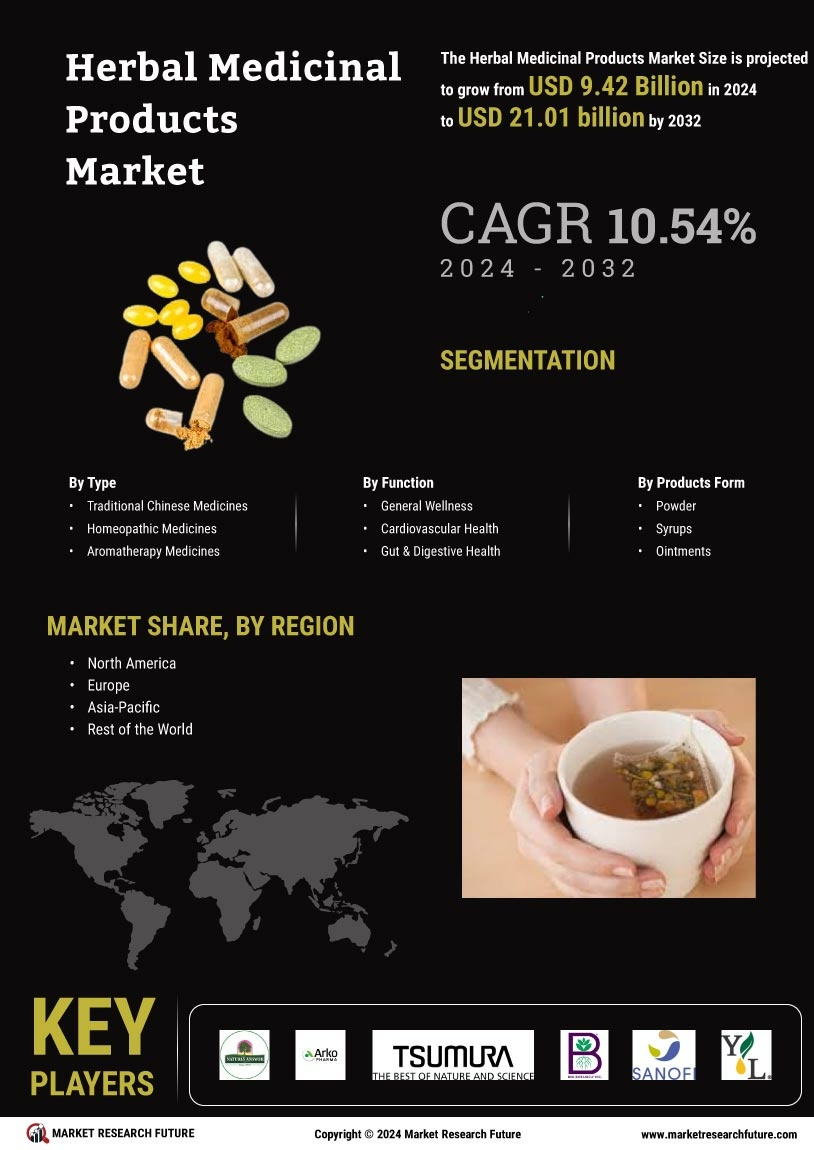
    https://www.marketresearchfuture.com/reports/herbal-medicinal-products-market-4787
    Analyzing Competitive Landscapes and Herbal Medicinal Products Market Share The competitive environment of the botanical sector is currently characterized by a mix of "Heritage Giants" and "Digital Disruptors." A recent Herbal Medicinal Products Market Share analysis shows that established leaders like Dabur, Himalaya Wellness, and the Schwabe Group continue to hold significant portions of the global revenue. These companies benefit from decades of brand trust and vast, vertically integrated supply chains that allow them to control quality from "seed to shelf." However, their market share is being challenged by a new wave of "science-first" biotech firms that are focusing on the isolation of specific plant molecules for the pharmaceutical market. This "medicalization" of the industry is forcing heritage brands to invest heavily in clinical trials to defend their therapeutic claims against more scientifically rigorous newcomers. Consolidation is a major theme in the current market cycle, as larger pharmaceutical entities look to "buy their way" into the natural health space. We are seeing a high volume of merger and acquisition activity, where multi-national giants acquire niche herbal brands to gain access to their specialized "clean-label" consumer base. This consolidation is bringing a higher level of professionalization to the sector, but it is also raising concerns about the "corporatization" of traditional medicine. For small-scale vendors, the key to maintaining market share is focusing on "hyper-transparency"—providing consumers with detailed data on the specific farm, harvest date, and extraction method of their products, a level of detail that large conglomerates often struggle to provide. Market share is also becoming increasingly tied to "Ingredient Intellectual Property." Companies that successfully patent a unique extraction method or a specific herbal blend for a high-demand condition like "metabolic health" or "cognitive focus" can establish powerful market moats. We are seeing a rise in "Branded Ingredients," where a manufacturer sells a specific, clinically-backed extract (like a particular form of Ashwagandha) to other supplement companies. This "Intellectual Property" model is proving to be highly lucrative, allowing companies to capture value across the entire industry without having to manage their own retail consumer brands. FAQ: Who are the top players in the herbal medicinal products market? Ans: Key global leaders include the Himalaya Wellness Company, Dabur India, Schwabe Group, Nature’s Way, and Gaia Herbs, though many pharmaceutical companies are now entering the space via acquisitions. https://www.marketresearchfuture.com/reports/herbal-medicinal-products-market-4787

    Herbal Medicinal Products Market Size, Share, Trends 2035
    www.marketresearchfuture.com
    Herbal Medicinal Products Market Size to reach USD 28.37 billion, at a CAGR 10.54% by 2025-2035, Herbal Medicinal Products Industry analysis by Type, Function, Form
    0 Comments ·0 Shares ·215 Views ·0 Reviews
  • Innovation Trends in Proton Pump Inhibitors Market Developments

    The gastrointestinal sector is currently witnessing a wave of disruptive innovation that is changing the standard of care for acid-related diseases. Recent Proton Pump Inhibitors Market Developments include the introduction of Potassium-Competitive Acid Blockers (P-CABs), which provide faster and more prolonged acid suppression than traditional PPIs. While P-CABs are currently a separate class, they are forcing PPI manufacturers to innovate in response, leading to the development of "next-gen" PPI formulations that utilize advanced enteric coatings for better absorption. In March 2025, the launch of combination therapies—such as Rabeprazole paired with Levosulpiride—demonstrated the industry's focus on treating complex cases where acid reflux is accompanied by motility disorders.

    Regulatory developments are also keeping pace with scientific progress. The U.S. FDA’s recent approval of "Konvomep," an oral suspension of Omeprazole and Sodium Bicarbonate, represents a major step forward for patients who have difficulty swallowing tablets. This development highlights the market's trend toward "user-friendly" medicine. Simultaneously, in Europe, the implementation of the "Critical Medicines Act" in 2025 is aimed at preventing shortages of essential drugs like PPIs, ensuring that manufacturers maintain adequate stockpiles. These regulatory shifts are providing a more stable and predictable environment for long-term R&D investment, particularly for companies focused on high-need pediatric and geriatric populations.

    On the commercial front, the expansion of digital pharmacy channels is the most significant development of the year. With more consumers purchasing their chronic medications online, PPI manufacturers are partnering with e-pharmacies to offer subscription models and personalized wellness coaching. This allows companies to gather valuable real-world data on patient adherence and symptom management. These digital collaborations are not just about sales; they are about building a "longitudinal relationship" with the patient, ensuring that the medication is used correctly and that any potential side effects are caught early through remote monitoring tools.

    FAQ: What is the difference between a P-CAB and a PPI? Ans: P-CABs block acid more quickly and are not as dependent on the timing of meals as traditional PPIs, which generally require 30–60 minutes to become effective after ingestion.

    https://www.marketresearchfuture.com/reports/proton-pump-inhibitors-market-19223
    Innovation Trends in Proton Pump Inhibitors Market Developments The gastrointestinal sector is currently witnessing a wave of disruptive innovation that is changing the standard of care for acid-related diseases. Recent Proton Pump Inhibitors Market Developments include the introduction of Potassium-Competitive Acid Blockers (P-CABs), which provide faster and more prolonged acid suppression than traditional PPIs. While P-CABs are currently a separate class, they are forcing PPI manufacturers to innovate in response, leading to the development of "next-gen" PPI formulations that utilize advanced enteric coatings for better absorption. In March 2025, the launch of combination therapies—such as Rabeprazole paired with Levosulpiride—demonstrated the industry's focus on treating complex cases where acid reflux is accompanied by motility disorders. Regulatory developments are also keeping pace with scientific progress. The U.S. FDA’s recent approval of "Konvomep," an oral suspension of Omeprazole and Sodium Bicarbonate, represents a major step forward for patients who have difficulty swallowing tablets. This development highlights the market's trend toward "user-friendly" medicine. Simultaneously, in Europe, the implementation of the "Critical Medicines Act" in 2025 is aimed at preventing shortages of essential drugs like PPIs, ensuring that manufacturers maintain adequate stockpiles. These regulatory shifts are providing a more stable and predictable environment for long-term R&D investment, particularly for companies focused on high-need pediatric and geriatric populations. On the commercial front, the expansion of digital pharmacy channels is the most significant development of the year. With more consumers purchasing their chronic medications online, PPI manufacturers are partnering with e-pharmacies to offer subscription models and personalized wellness coaching. This allows companies to gather valuable real-world data on patient adherence and symptom management. These digital collaborations are not just about sales; they are about building a "longitudinal relationship" with the patient, ensuring that the medication is used correctly and that any potential side effects are caught early through remote monitoring tools. FAQ: What is the difference between a P-CAB and a PPI? Ans: P-CABs block acid more quickly and are not as dependent on the timing of meals as traditional PPIs, which generally require 30–60 minutes to become effective after ingestion. https://www.marketresearchfuture.com/reports/proton-pump-inhibitors-market-19223
    Proton Pump Inhibitors Market Size, Growth Report 2035
    www.marketresearchfuture.com
    Proton pump inhibitors market is projected to reach USD 6.218 billion at a CAGR of 5.50% by 2035, Proton pump inhibitors industry analysis by drug type, route of administration, indication, distribution channel and region
    0 Comments ·0 Shares ·211 Views ·0 Reviews